

Are you complying with the Energy Savings Opportunity Scheme (ESOS)?
One of the largest, single energy costs for any facility is expensive, inefficient lighting that is always on. Replacing older, less efficient lighting with energy efficient LED lighting is one of the cost-effective and easiest ways to reduce your firm’s energy consumption.
...
News - Wed, Jul 24th, 2019
Read More

The power of referrals
One process that remains a key part to the success of any business is the power of referrals. Here at Glowled, we enjoy excellent word of mouth recommendations, which speaks volumes about the quality of our service.
After all, when others refer a business it’s the...
Blog - Tue, Jun 18th, 2019
Read More

#AskArzhang
Welcome to the first in a series of blogs from Lead Lighting Consultant Arzhang where we answer your questions on LED lighting.
Question: We are about to embark on our first lighting project what do we need to know so our project is successful? ...
Blog - Fri, Feb 22nd, 2019
Read More
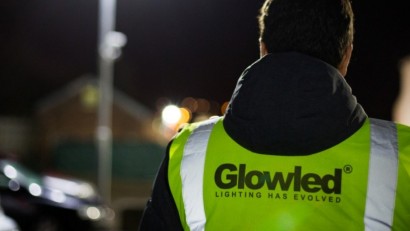
Do your staff represent your brand well?
At Glowled we love our branded workwear and are fully confident that our team represent the company to the very best of their ability. Our client testimonials and case studies speak for themselves!
Our staff is the living embodiment of our brand identity and represent e...
Blog - Fri, Feb 15th, 2019
Read More

Funding support for your LED lighting upgrade
There’s never been a more important time to invest in energy efficiency. If you’re looking to combat rising energy prices, reduce your carbon footprint and maintenance costs LED lighting can help you make a real impact.
Upfront costs can be an investment; ho...
Blog - Mon, Nov 19th, 2018
Read More

Mark scores permanent contract
We are delighted to confirm that Mark Padden has had his contract extended with Glowled after successfully completing his apprenticeship.
24-year-old Mark, from Chester-le-Street, originally joined the company on an 18-month business development and support apprenticesh...
News - Tue, Jul 10th, 2018
Read More

The Wilton Group choose LED lighting technology
The Wilton Group was established in 1994 by founders Steve Glenn and Bill Scott. The company is based adjacent to the River Tees on its 54-acre facility and has achieved unparalleled success specialising in designing, manufacturing and coating large and complex structures for the Offshore Oil &am...
Blog - Tue, Jun 26th, 2018
Read More

Making light work of hazardous areas
Lighting plays an integral part in ensuring the safety, efficiency, and productivity of any business and it’s particularly important in facilities with hazardous areas. Here, we look at how LED lighting technology can support health and safety requirements in hazardous working areas.
...Blog - Tue, Jun 19th, 2018 Read More

Managing your energy efficiently with Energy Management standard ISO 50001
Implementing the ISO 50001 standard will allow you to manage and improve the energy performance of your business by documenting, measuring and reporting on your energy use and consumption. Connected lighting systems, which are widely distributed across your facility, are a simple way to help you...
Blog - Tue, Apr 10th, 2018
Read More

New appointment at Glowled
We're delighted to announce the appointment of our new Lighting Solutions Manager, Rita Callender.
Rita boasts over 25 years of experience in the environmental sector and kicked off her career working with Dr David Bellamy at Durham University.
...
News - Tue, Apr 10th, 2018 Read More

Teamwork matters
Here at Glowled we recognise the importance of teamwork and find that it’s vital to the success of business, output quality and staff retention.
It’s one thing to have a team, it's a whole other thing to have teamwork! When done right, teamwork in the workplace c...
Blog - Wed, Sep 20th, 2017
Read More
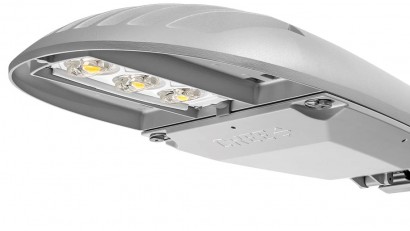
CREE XSP SERIES - The family enlarges with the newborn XSPM
Cree expands its successful street lighting range XSP Series with the new model XSPM. It's a brand new solution that completes the offer with increased lumen output and performances.
Designed from the ground up as a totally optimised LED street lighting system,...
News - Wed, Jul 12th, 2017
Read More
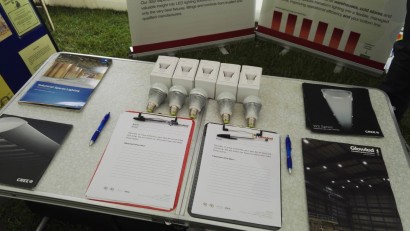
Glowled Sponsor World Environment Day Event
Glowled proudly sponsored a World Environment Day event held at the Washington Wetland Centre over the weekend of June 10th-11th.
The 2 day event, organised by Climate Action North East (CIC) in association with WWT Washington and Enviro UK Consultants Ltd provided oppo...
Blog - Mon, Jun 26th, 2017
Read More
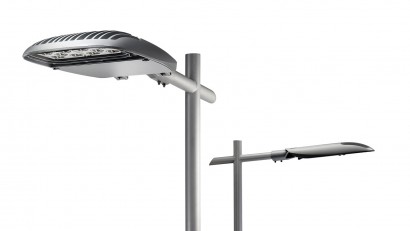
XSP STREETLIGHT goes HIGH Output
Cree Europe extends its industry-leading street lighting portfolio, delivering more performance and efficiency breakthroughs with the next generation of its new Cree® XSP HIGH OUTPUT Series.
Leveraging the innovations from the existing Cree XSP Series LED street lig...
News - Sun, May 14th, 2017
Read More

Specialist Electronics - Specialist Savings
Edson Electronics Ltd are a manufacturer of specialist cleaning products sold to the electronics and printing industries. Based in Northumberland since 1989 they sell products worldwide through a network of distributors. During a chat about their new lights Neil of Edson offered the fol...
News - Tue, Feb 28th, 2017
Read More
LED Delivers 50% savings for N.E. Haulier
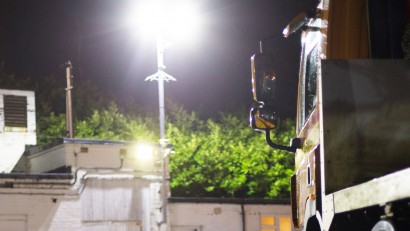
We recently worked with James Adams. J R Adams operates one of the largest mixed fleets in the UK from depots based in Gateshead and Byker. Its modern fleet is maintained and serviced in-house by its team of mechanics, ensuring the wagons are as reliable and dependable as possible. They offer any...
News - Sat, Feb 18th, 2017
Read More

Wholesale Savings of 62% with LED
Quayside Wholesale distributes over 45,000 cases of frozen and grocery products every week from its purpose-built warehouse in Gateshead. The business has grown rapidly from its roots on Newcastle’s Quayside thanks to the repeat custom of our loyal customers who appreciate the profit potent...
News - Wed, Feb 15th, 2017
Read More

Your Lighting Priorities? Safety, Performance & Maintenance
The introduction of the new LightRules® Emergency Management Solution is a great opportunity to focus on some of the things we think about every day for our customers. Safety. Productivity. Maintenance. Evolving needs. These are critical priorities for our customers and key criteria for the l...
Blog - Fri, Feb 3rd, 2017
Read More

Digital Lumens launch CLE Family
Digital Lumens has expanded its platform with the introduction of a super-high-efficacy intelligent high bay LED fixture - the CLE.
The CLE family now serves as the entry point for Digital Lumens’ comprehensive line of high bay intelligent LED fixtures, and delivers market-le...
News - Wed, Jan 18th, 2017
Read More
